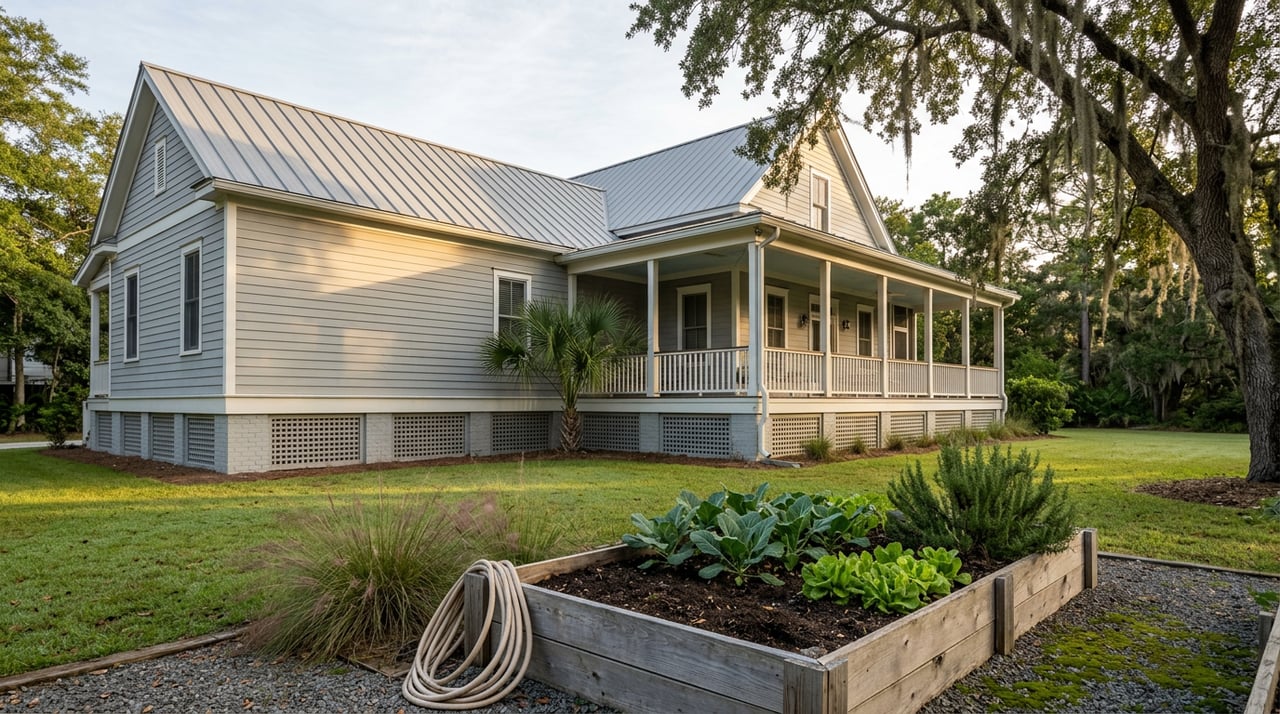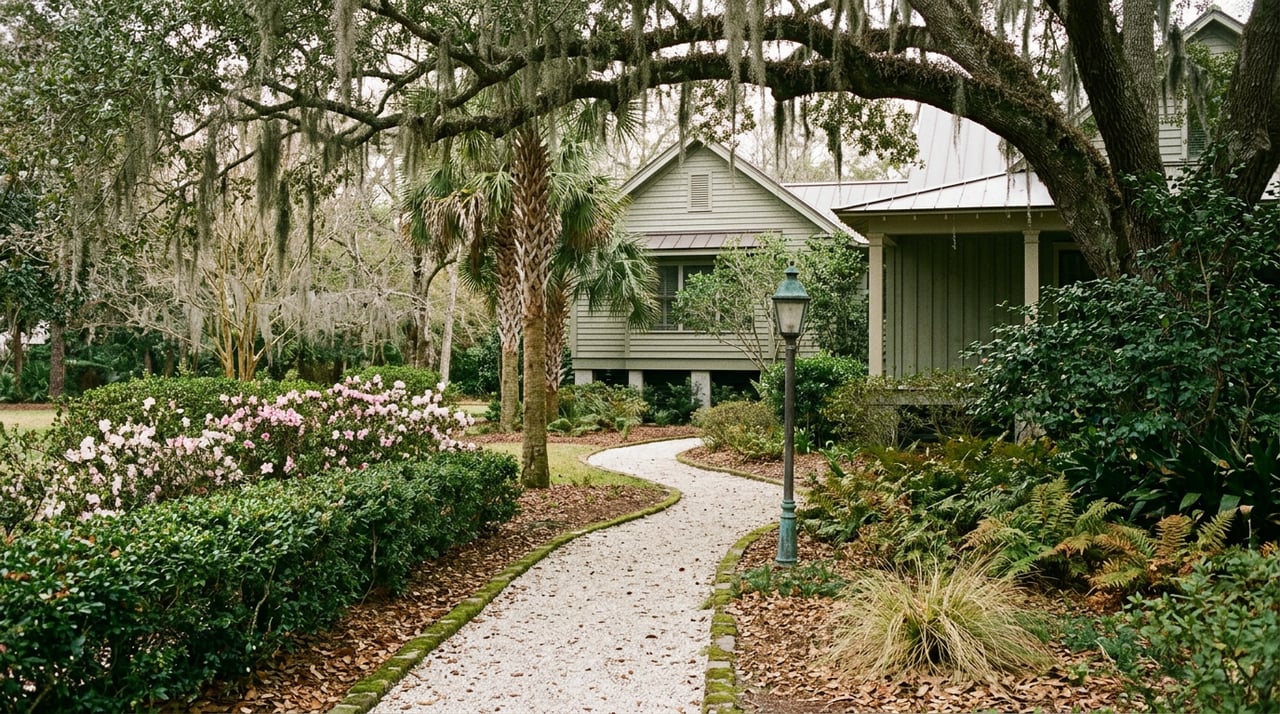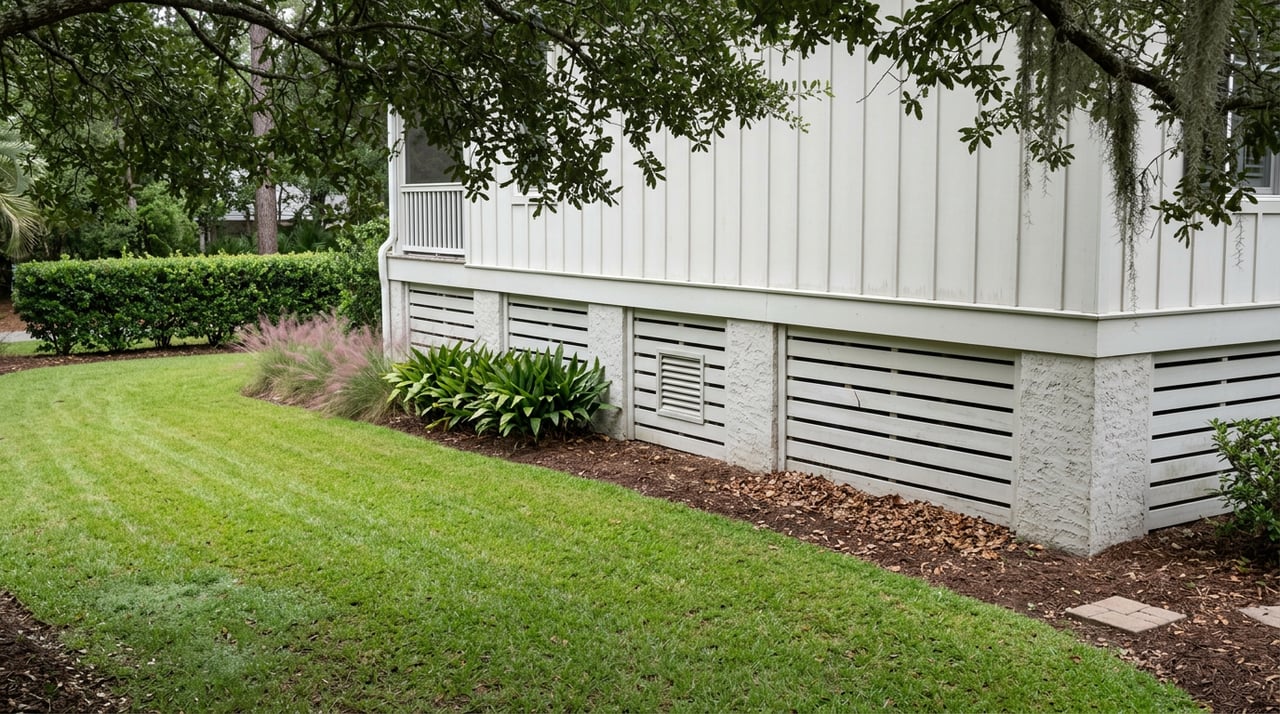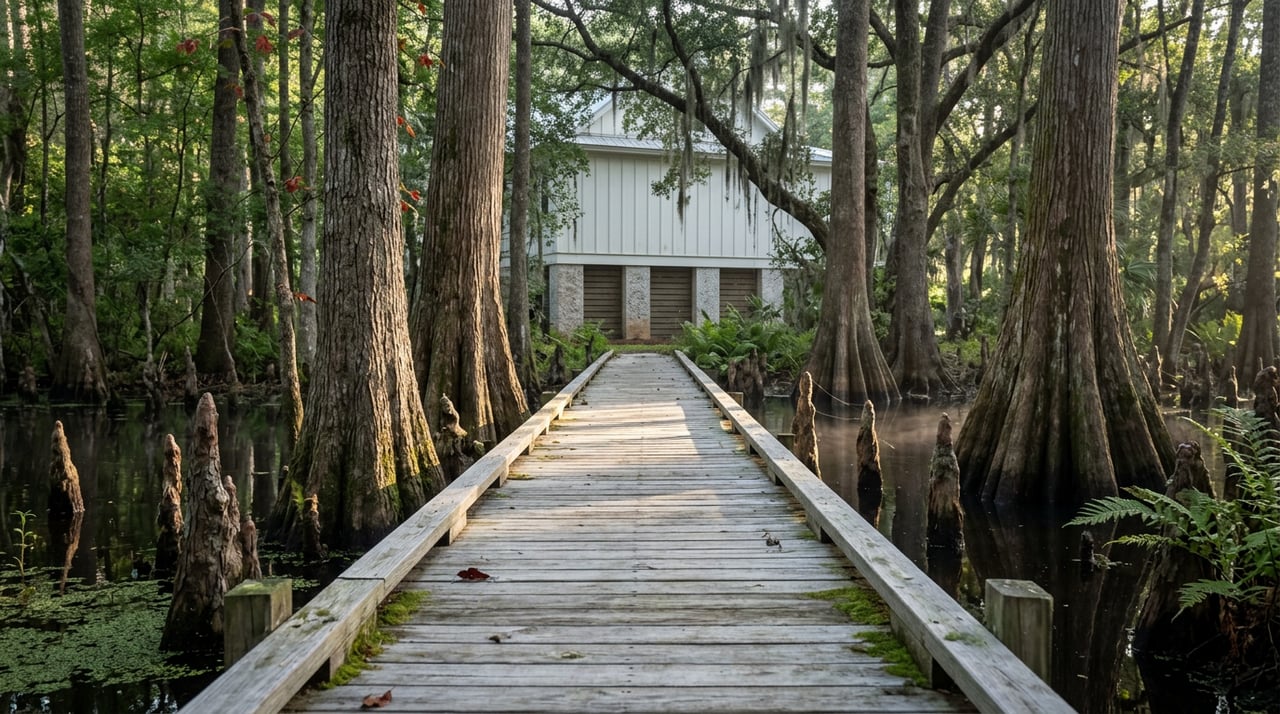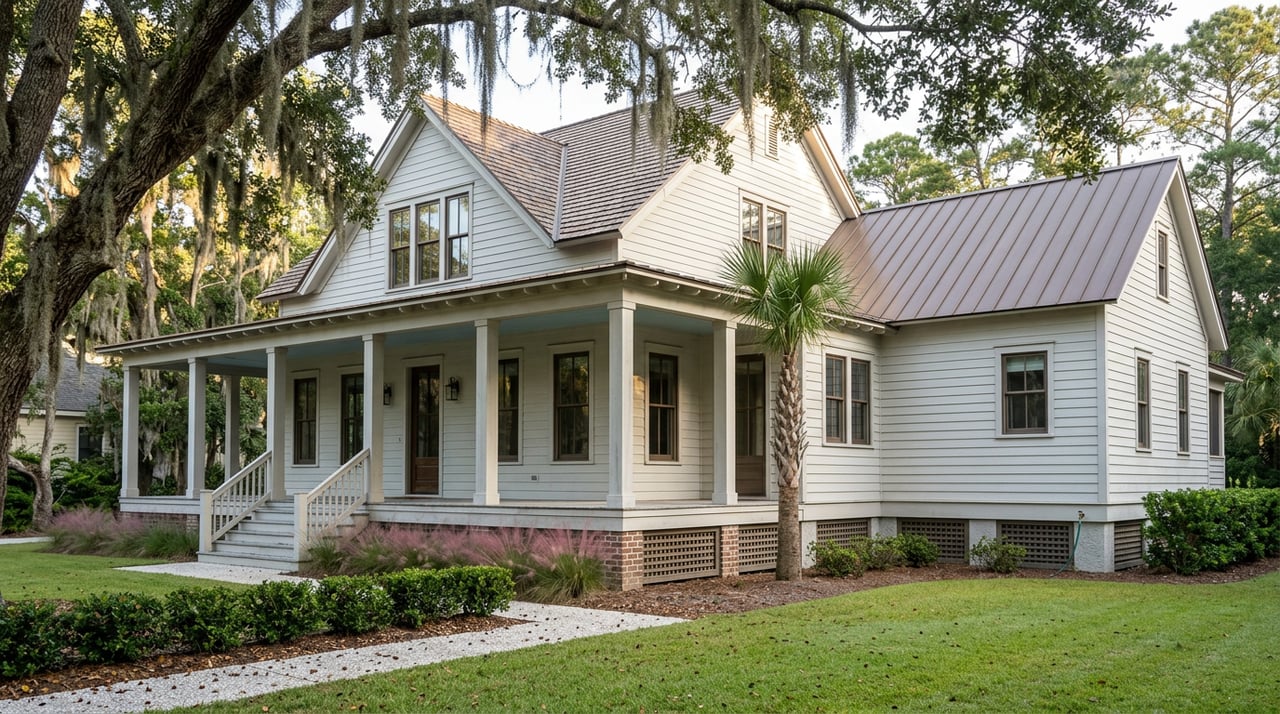
A buyer touring a marsh-front lot in Hilton Head Plantation often has the same plan before the ink dries on the offer: clear out some of the overgrowth along the water, open up the view, maybe add a screened porch facing the creek. It feels like a landscaping decision. It is not. It is an Architectural Review Board decision, and the calendar that governs it runs on its own weekly rhythm that has nothing to do with how long the Town of Hilton Head takes to issue a building permit.
Most buyers and sellers who have owned a home inside any HOA assume the approval process transfers roughly the same way everywhere: submit plans, wait a few weeks, get a yes or a no. Hilton Head Plantation's process is more specific than that, and the specifics are exactly the kind of detail that turns a six-week renovation plan into a three-month one if you don't know them going in.
The Document Behind the Gate
Hilton Head Plantation's Architectural Review Board operates under guidelines maintained by the Property Owners Association, in a document that runs 78 pages and is filed with the MLS for use by real estate professionals working in the community. It covers everything from paint colors to drainage swales to how landscape debris gets disposed of. Those guidelines are reviewed on a two-year cycle, which means the version a buyer reads during due diligence may not be the version in effect by the time a project reaches its second phase.
This is not the Town's building department. The ARB is a POA-appointed committee with the authority to approve or disapprove any exterior change, from a new roof to a repainted door, and it operates independently of whatever permit timeline the Town of Hilton Head runs on its own track. A project can clear Town permitting and still be sitting in an ARB queue.
The Weekly Clock
Here is the detail that catches people off guard: submittals must be received by noon on Monday to be placed on that week's ARB meeting agenda. Miss the cutoff by an hour and the project waits a full week, not because the board is being difficult, but because that is simply how the calendar is built.
On paper, a weekly meeting cycle sounds faster than most HOA review boards, and in a sense it is. But a hard deadline paired with a fixed weekly cadence means every incomplete submission, every missing consultant stamp, every unanswered question from the board costs a full week to resolve, every single time. There is no daily flexibility to make up the difference. A project that needs two rounds of revisions has, at minimum, lost two full weeks to the clock alone, before construction even starts.
For larger or more complex projects, the guidelines also require a South Carolina registered architect consultant, and often a registered landscape architect or land planner, to sign off before the ARB will review the plans. Bringing in the wrong professional, or one unfamiliar with how HHP's board reviews submissions, is one of the more common ways a first submission gets bounced back and loses that first week.
How Neighboring Plantations Run Their Own Clocks
The mistake many relocating buyers make is assuming their prior HOA experience, even one from another Hilton Head Island community, tells them what to expect here. It does not. Every gated plantation on the island runs its own review calendar, and the differences are real enough to matter for timing a renovation:
- Wexford reviews projects through its Architectural Standards Committee, which meets on the second and fourth Tuesday of each month, a twice-monthly rhythm rather than a weekly one.
- Palmetto Hall runs its ARB on the first and third Monday of each month, with submissions due two weeks ahead of the meeting date.
- Palmetto Dunes uses a tiered review system, where minor maintenance work needs only a notification form while larger changes move through a formal tier application, and the POA has added an AI assistant named Emily to help owners figure out which tier applies before they submit anything.
A buyer coming from a twice-monthly review cycle elsewhere on the island might actually find Hilton Head Plantation's weekly schedule less restrictive in theory. But the trade-off is that HHP's hard Monday cutoff leaves no room for a late Tuesday submission to sneak into that week's meeting the way a monthly cycle with a longer runway sometimes allows.
The Rule That Surprises Waterfront Buyers
The clearing plan that motivated the purchase in the first place runs into a second layer of specificity. Major clearing of trees and underbrush is restricted within 30 feet of the Average High Water Mark on any lot fronting Port Royal Sound, Skull Creek, or Elliott and Park Creek. That buffer exists regardless of what the buyer's closing paperwork says about the lot being classified as waterfront, and it applies before a single tree comes down, not after.
This detail sits alongside a related one worth understanding if a waterfront purchase is on the table. The difference between a Skull Creek address, a lagoon lot, and a marsh-front parcel affects far more than the view, as covered in our earlier look at what waterfront actually costs in Hilton Head Plantation. The 30-foot buffer is one more variable in that same calculation, and it is worth reviewing before writing an offer that assumes a cleared water view is simply a matter of hiring a landscaping crew.
Why the Calendar Matters More Right Now
A 2026 issue of the community's Plantation Living newsletter noted that exterior additions and remodels have been driving increased architectural review activity across the community.
Exterior additions and remodels have driven more architectural review activity, suggesting ongoing reinvestment across the community.
More reinvestment is good news for a neighborhood's home values. It also means more submissions competing for the same weekly meeting slots. A queue that used to clear in a single cycle now more plausibly stretches to two or three, and a buyer or seller who builds a renovation timeline around last year's experience, or a neighbor's experience from a slower season, may be underestimating how long the current queue actually runs.
Building the Calendar Backward
Two industry sources give a general sense of how long ARB-style approval takes across Hilton Head Island's gated communities. A local mortgage broker cites a typical window of 30 to 90 days for HOA architectural review before a construction loan can close. A custom home builder working across multiple island plantations cites a broader range of 30 days to four months, noting that the builder's familiarity with a specific community's ARB standards directly affects whether a design gets approved on the first submission.
The practical takeaway for anyone planning a renovation in Hilton Head Plantation, whether a seller preparing a home for listing or a buyer with post-closing plans, is to build the calendar backward from a closing date or a listing date, not forward from a submission date. That means requesting the current ARB guidelines and recent regime documents through the community's Enumerate Engage resident portal early, before writing an offer or setting a listing timeline. It means selecting an architect or builder who has already worked through this specific board's process, not just one who has built on the island generally. And it means treating the noon-Monday cutoff as a hard boundary to plan around, not a formality to work around later.
Does interior-only work need ARB approval in Hilton Head Plantation? The guidelines are built around exterior changes and additions, so purely interior renovations that do not alter the home's exterior appearance typically fall outside ARB review, though owners should confirm this with the POA before assuming a project is exempt.
What happens if a submission misses the noon Monday deadline? It waits for the following week's meeting. There is no exception process for late submissions, which is why building in extra time before a target start date matters more here than the length of the guidelines document might suggest.
If you are weighing a renovation before listing a Hilton Head Plantation home, or you are under contract on a property you plan to update once it closes, it helps to have someone who has already walked other clients through this exact calendar. You can look at current listings and neighborhood detail on our Hilton Head Plantation page, or reach out directly. Debra Reece has spent eight years guiding Hilton Head buyers and sellers through exactly this kind of local detail, the parts that don't show up on a listing sheet but shape how smoothly a project, and a closing, actually goes. Let's Connect.