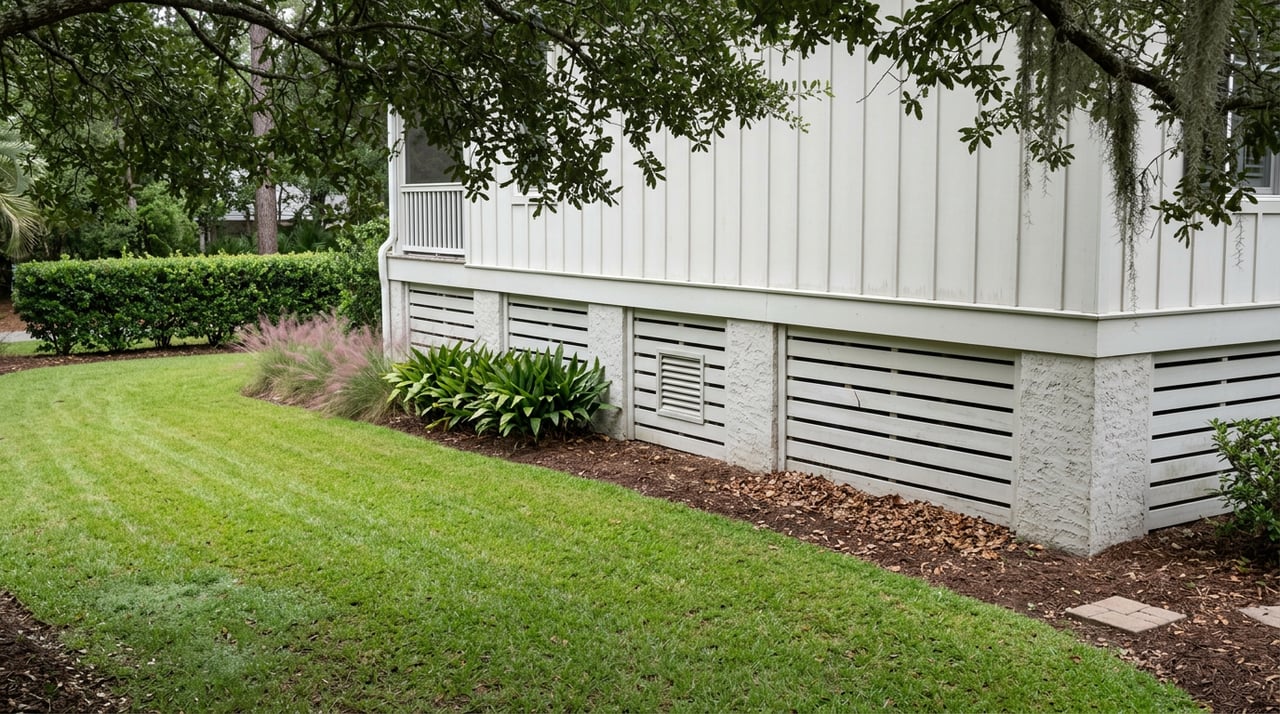
Who currently holds the termite bond on your home? If you are getting ready to sell a resale property in Hilton Head Plantation, that question matters more than most sellers realize, and it can decide which pest control office is even willing to write the report your buyer's lender is going to demand.
South Carolina does not technically require a wood infestation inspection on every sale. In practice, it happens on nearly every one, because mortgage lenders treat it as a closing condition. The document is officially called the South Carolina Wood Infestation Report, though everyone in the Lowcountry just calls it a CL-100. It tells a lender, an attorney, and a buyer whether a licensed pest control operator found active termites, past damage, wood decay fungi, or conditions like earth-to-wood contact on the day of the inspection. It is a snapshot, not a guarantee, and it expires 30 days after the inspection date. That window is short on purpose. Moisture conditions in a Lowcountry crawlspace can change fast enough that a report from six weeks ago is not considered reliable anymore.
Why Age Changes the Math in Hilton Head Plantation
Most CL-100 explainers stop there, as if the report itself is the whole story. In Hilton Head Plantation, it usually isn't.
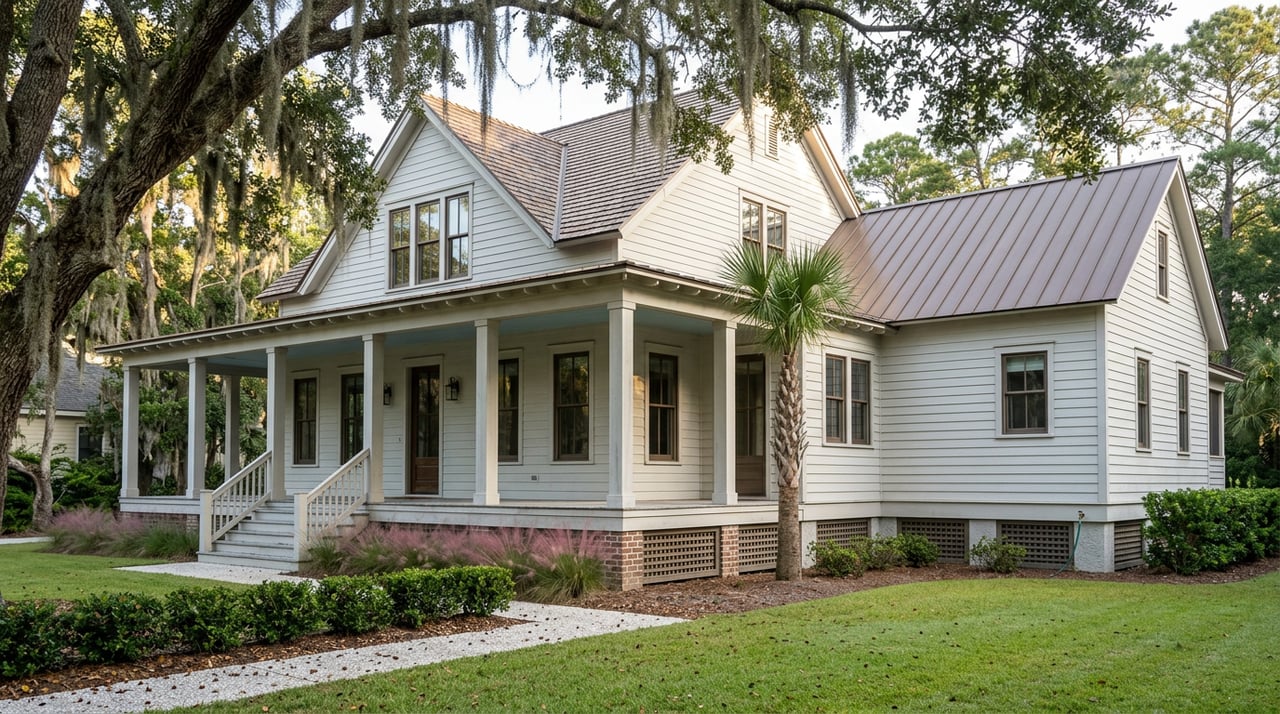
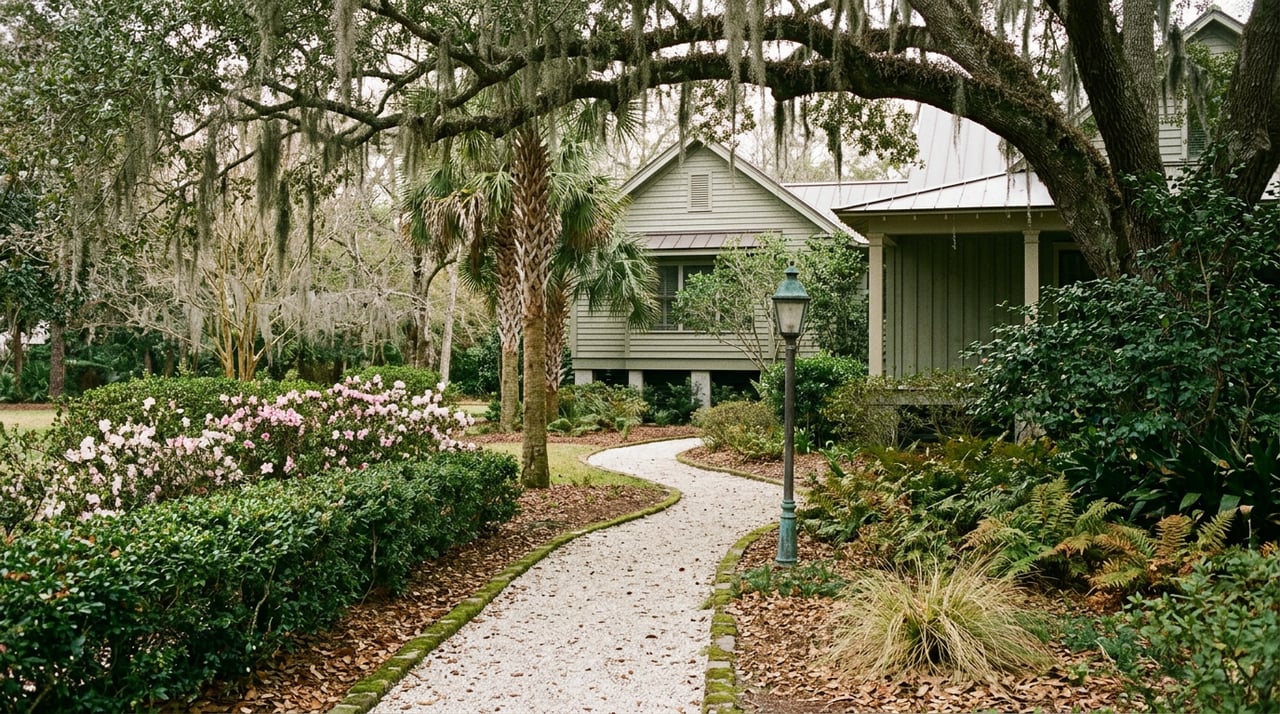
Hilton Head Plantation broke ground in 1973 and was built out in phases over the years that followed. Today it spans approximately 4,000 acres and is the island's largest gated community by home count, which makes it one of the oldest and largest neighborhoods behind a gate on Hilton Head Island. That age is part of what gives the neighborhood its live oak canopies and settled, wooded lots. It also means a meaningful share of the resale inventory has passed through several owners, and often several different termite bond providers, over the five-plus decades since it was built.
That matters because a termite bond is not a one-time event. It is a renewable service contract, typically paid annually, that keeps a pest control company actively monitoring and re-treating a property. When a home changes hands, the bond can transfer to the new owner, lapse, or get replaced with a different company entirely. A house that was pretreated by one provider in the 1980s might have been rebonded by another company after a sale in the 2000s, then switched again more recently. None of that shows up on a listing sheet. It only surfaces when someone tries to schedule the inspection.
The Office That Won't Take the Job
Here is the detail that catches people off guard. Hilton Head Exterminators, which has served the Hilton Head and Bluffton area since 1968 and operates as part of the same company family as Yates-Astro Termite & Pest Control, states directly on its site that its Hilton Head office will not perform a CL-100 on a property unless that property already carries an active termite warranty with Yates-Astro or one of its subsidiaries. If the current bond is with a different company, the Hilton Head office is not the one to call. The company's Bluffton office, by contrast, will still perform a CL-100 regardless of who holds the active warranty.
This is not a state regulation or a lender rule. It is one company's internal business policy, applied differently across two offices of the same firm. But because this provider handles a significant share of the real estate inspections on this end of the island, it is the kind of detail that can quietly stall a transaction if nobody catches it early. A seller assumes any local exterminator can write the report on short notice. A closing date gets set. Then the call reveals that the property's bond is with someone else, the preferred office cannot take the job, and the request has to be rerouted or handed to a different provider altogether, sometimes with less lead time than the situation deserves.
There is a second layer worth knowing if the bond conversation comes up at all. Formosan termites, an aggressive invasive species now established in parts of coastal South Carolina, are covered under some bonds and specifically excluded under others. A homeowner who has carried the same bond for years may not have ever checked which version they have.
What This Means If You're Preparing to Sell
If you are getting ready to list an older home in Hilton Head Plantation, the practical move is to sort out the bond situation before you have a buyer under contract and a 30-day clock running.
- Find your most recent termite bond paperwork and confirm which company currently holds it, not which company you remember calling years ago.
- Call ahead to whichever provider you plan to use for the CL-100 and ask directly whether they will perform the inspection given your current bond status, rather than assuming any local office can do it.
- If your bond is inactive or you are not sure it ever transferred correctly after a past sale, address that before you list, not after an offer arrives.
- Ask what the bond covers, including whether Formosan termites are included, since some agreements exclude them.
- Time the inspection deliberately. Scheduling it too early risks the report expiring before closing. Scheduling it too late risks discovering an issue with no time left to resolve it.
The Cost of Getting the Timing Wrong
Under the standard South Carolina purchase contract, a seller is generally the one responsible for treating an active infestation the CL-100 turns up, and for providing a clear report before closing. If a lender receives a report that isn't clean, the loan process typically pauses until the issue is documented and resolved. Combine that with a 30-day expiration window and a bond that turns out to be with the wrong company, and a seller can find themselves scrambling to get a second inspection scheduled while a closing date sits on the calendar.
None of this is a reason to worry about selling an older home here. It's a reason to handle the termite bond the way you would handle any other closing document: confirm it early, understand exactly what it covers, and know which provider can actually act on it before you need them to.
This is also where having someone who works this market regularly pays off. Debra Reece has spent years building relationships with the mortgage, closing, and service providers who show up in Hilton Head Plantation transactions again and again, including the pest control companies that write these reports. That kind of local groundwork is what keeps a small paperwork detail from becoming a delay at the closing table.
FAQ
Does South Carolina law require a CL-100 report on every home sale? No. State law does not mandate a wood infestation inspection on every transaction, but mortgage lenders treat it as a standard closing requirement in practice, which makes it a near-universal step for financed purchases.
Who pays if the CL-100 finds an active infestation? Under the standard South Carolina purchase contract, the seller is generally responsible for treating an active infestation and providing the buyer with a clear report before closing.
What if I don't know which company holds my current termite bond? Check your closing documents from your own purchase, or look for renewal invoices from a pest control provider. If you can't locate either, contact a local provider directly and ask them to look up the property's treatment history before you assume they can perform the CL-100.
Can I use a different pest control company than the one that currently holds my bond? Sometimes, but it depends on the provider. As Hilton Head Plantation sellers have discovered, at least one major local company will only perform a CL-100 through its Hilton Head office if the property's active warranty is already with them, though its Bluffton office does not apply that same restriction. Always confirm directly with whichever company you plan to use.
If you're weighing a sale in Hilton Head Plantation and want a clear read on what your specific home's paperwork looks like before you list, Debra Reece can walk through it with you and help line up the right local providers well before a closing date is on the table. You can also browse more about the neighborhood here or reach out directly through her contact page.